High-Performance Titanium Anode for Electroplating: The Definitive Guide to Precision Surface Finishing
In the high-precision world of surface finishing—from semiconductor manufacturing to decorative jewelry—selecting a high-performance titanium anode for electroplating is the single most effective way to ensure bath stability and product quality. At Ti Time Company, we combine over a decade of metallurgical expertise with advanced coating technologies like Mixed Metal Oxide (MMO) and Platinum-cladding to provide industry-leading solutions. As an ISO9001-certified manufacturer, our anodes are engineered to meet the rigorous demands of aerospace, PCB manufacturing, and heavy-duty industrial plating.
Engineering the Perfect Titanium Anode for Electroplating
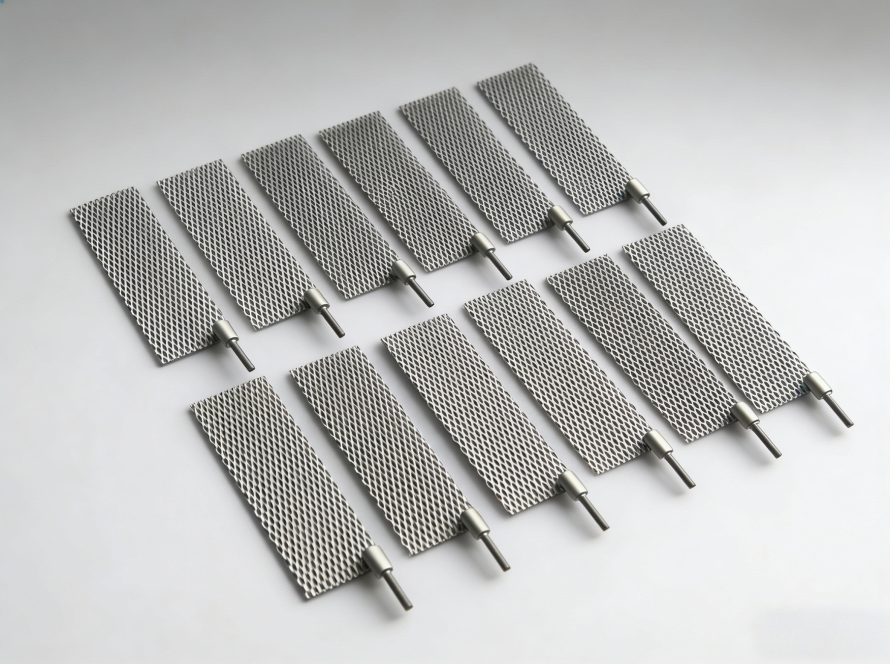
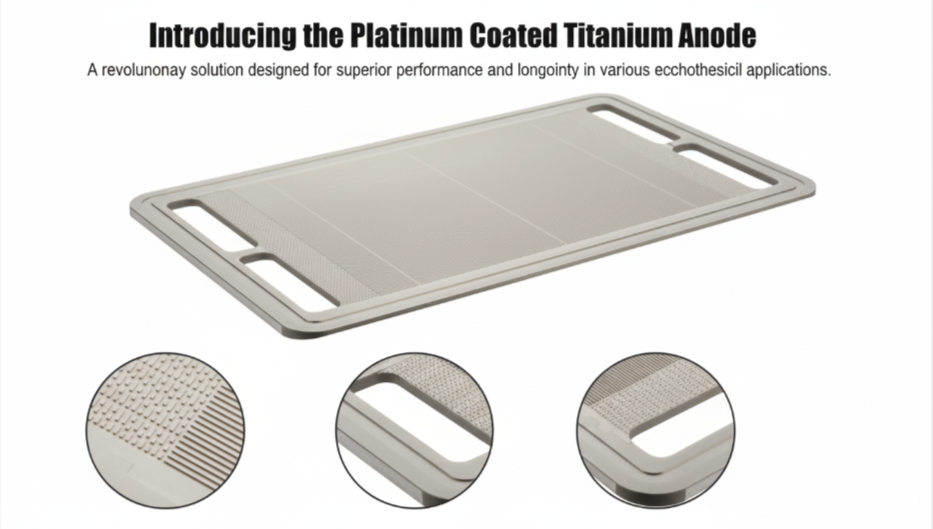
A titanium anode is essentially a “dimensionally stable” substrate (typically Grade 1 or Grade 2 titanium) paired with a catalytic coating. Unlike traditional soluble anodes, these do not dissolve in the electrolyte, which is a game-changer for process control.
Substrate Purity: We utilize 99.6% pure titanium to ensure maximum corrosion resistance in aggressive acidic or alkaline baths.
Catalytic Coatings: Depending on your application, we offer Platinized Titanium (ideal for gold and rhodium) and MMO (Ir-Ta / Ru-Ir) coatings designed for high current density and oxygen evolution.
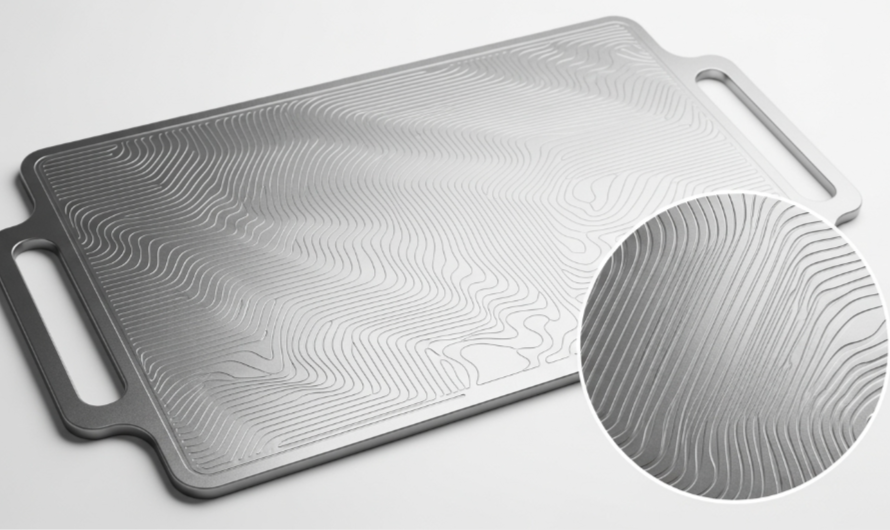
Customized Geometry: Whether you need mesh, plate, rod, or complex tubular designs, our customized production capabilities ensure the anode perfectly fits your tank configuration for uniform current distribution.
Why Industry Leaders Choose Ti Time for Their Titanium Anode for Electroplating Needs
The transition from lead or graphite anodes to titanium represents a significant leap in efficiency. By partnering with Ti Time Company, our clients benefit from:
Zero Contamination: Because our anodes are insoluble, they eliminate “anode mud” and bath impurities, extending the life of your expensive electrolytes.
Energy Savings: Advanced MMO coatings have a lower oxygen evolution overpotential. In high-volume lines like hard chrome plating, this translates to a 10%–20% reduction in electricity consumption.
Stable Dimensions: The inter-electrode gap remains constant throughout the anode’s life, preventing the “dog-bone” effect and ensuring a consistent thickness of the plated layer.
[Image showing a comparison of current distribution between a flat plate anode and a titanium mesh anode]
FAQs: Expert Advice on Titanium Anodes
1. How do I choose between MMO and Platinum coatings for my titanium anode for electroplating?
The choice depends on your chemistry. Platinum-coated titanium is preferred for precious metal plating (gold, silver, palladium) because it offers high catalytic activity and low overpotential. MMO (Mixed Metal Oxide) coatings are superior for acid copper, nickel, and hard chrome plating, as they are specifically engineered to withstand high current densities and harsh acidic environments.
2. Can Ti Time Company manufacture custom-shaped anodes for internal plating?
Yes. We specialize in customized production for complex geometries. We can design and forge auxiliary or “robber” anodes specifically for plating the internal diameters of tubes or complex aerospace components, ensuring uniform coverage in hard-to-reach areas.
3. What is the typical lifespan of a titanium anode for electroplating?
In a well-maintained bath, a high-quality MMO-coated anode can last 3 to 5 years, while platinized anodes often exceed this depending on the coating thickness (typically 0.5μm to 5μm). Factors such as current density, bath temperature, and the presence of fluorides will impact longevity.
4. How does using titanium anodes improve environmental compliance?
Unlike lead anodes, which create hazardous lead chromate sludge, titanium anodes are inert and non-toxic. This significantly reduces waste disposal costs and helps facilities comply with increasingly strict environmental regulations (like REACH and RoHS).
5. What maintenance is required for insoluble titanium anodes?
Very little. Because they don’t dissolve, you don’t need to replace them frequently. However, you must monitor the metal ion concentration in your bath (since the anode doesn’t provide them) and ensure the coating remains free of organic buildup to maintain high current efficiency.