The Ultimate Guide to Titanium Wire Electrode: High Performance, Custom Solutions, and Industry Insights
In the rapidly evolving world of electrochemistry, the titanium wire electrode has emerged as a cornerstone for efficiency and durability. Whether used in water treatment, chlor-alkali production, or cathodic protection, the quality of your electrode directly dictates the lifespan and cost-effectiveness of your system. As a premier titanium wire electrode supplier, Ti Time Company leverages decades of manufacturing expertise to deliver titanium-based solutions that meet the most rigorous international standards, ensuring your projects perform at peak capacity from day one.
Expertise: Understanding the Science Behind the Titanium Wire Electrode
A titanium wire electrode is more than just a piece of metal; it is a sophisticated “Dimensionally Stable Anode” (DSA). By using high-purity Grade 1 or Grade 2 titanium as a substrate and coating it with Mixed Metal Oxides (MMO), we create an electrode that combines the lightweight, corrosion-resistant properties of titanium with the high electrocatalytic activity of precious metals.
At Ti Time Company, we specialize in the three primary functional categories of these electrodes:
Chlorine-Evolving Electrodes (Ru-Ti Coating): Optimized for brine electrolysis and sodium hypochlorite generators.
Oxygen-Evolving Electrodes (Ir-Ta Coating): Engineered for acidic environments, such as hydrogen production from water electrolysis or wastewater treatment.
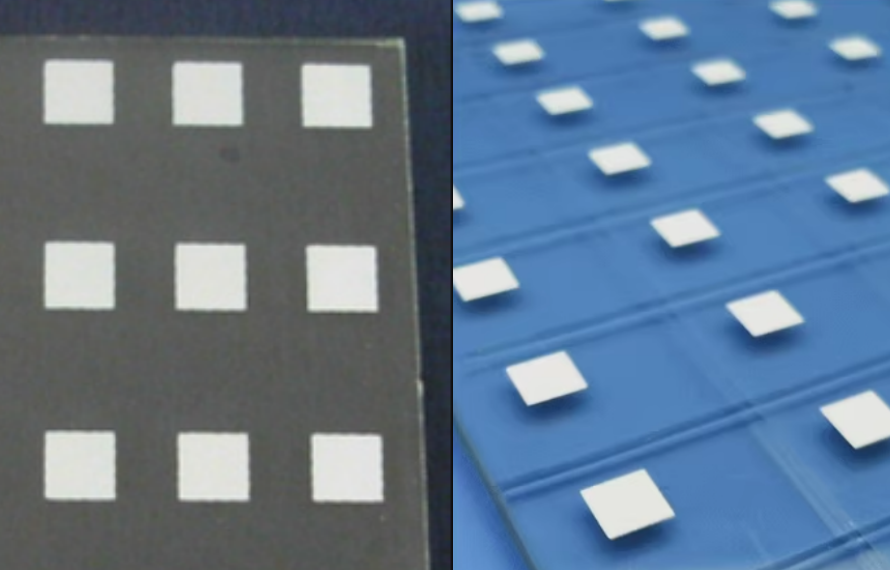
Functional Composite Electrodes: Custom-developed TiO2/Ti wires for advanced photo-catalytic research and specialized laboratory applications.
Experience: Real-World Insights on Lifespan and Selection
In our ten years of field experience, we’ve seen that many operators struggle with premature electrode failure. A titanium wire electrode does not simply “stop working”; its end-of-life is marked by a gradual decline in efficiency.
How we identify electrode health:
Voltage Fluctuations: If your system requires a sudden spike in voltage (exceeding 15V in standard setups) to maintain current, the coating is likely passivating.
Physical Integrity: We utilize advanced PVD and thermal decomposition to ensure coating adhesion. In the field, any whitening or peeling of the dark MMO layer indicates the substrate is exposed and requires immediate replacement or recoating.
Application Specifics: In high-hardness water, scale buildup can kill an electrode in months. We advise our clients on regular acid-washing protocols to extend the 3-5 year theoretical lifespan to its maximum potential.
Authoritativeness & Trust: Why Global Leaders Choose Ti Time Company
As a trusted titanium wire electrode supplier, Ti Time Company operates under the ISO9001 quality management system. Our manufacturing process adheres to ASTM, ASME, AMS, and JIS standards, ensuring that our products are ready for export to high-precision markets like the US, Germany, Japan, and South Korea.
We don’t just sell “off-the-shelf” parts. We provide customized production for:
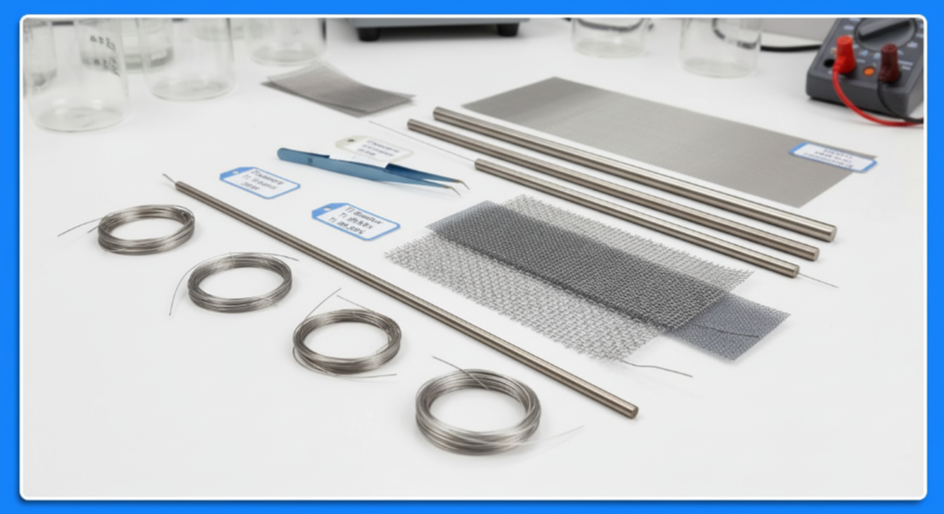
Varying Diameters: From ultra-fine wires for micro-electrolysis to heavy-duty industrial gauges.
Flexible Forms: Including mesh-woven structures (titanium mesh electrodes) for increased surface area and uniform current distribution.
Custom Coatings: Tailoring the thickness (from 0.5μm to over 5μm) based on your specific current density and expected service life.
FAQ: Everything You Need to Know About Titanium Wire Electrode
1. How do I choose between a Ru-Ti and an Ir-Ta coating for my titanium wire electrode?
The choice depends entirely on your reaction type. If you are generating chlorine (as in salt-water pools or bleach production), Ru-Ti (Ruthenium-Iridium) is the industry standard. For acidic environments or oxygen evolution (like electroplating or H2 production), Ir-Ta (Iridium-Tantalum) offers much higher stability and resistance to corrosion.
2. What is the typical lifespan of a titanium wire electrode from Ti Time?
While environmental factors vary, our industrial-grade electrodes typically last 3 to 5 years under standard operating conditions. We offer custom coating thicknesses for clients who require 10+ year lifespans in cathodic protection or underground infrastructure.
3. Can the titanium wire electrode be used in high-salinity seawater?
Absolutely. Titanium is naturally resistant to chloride ion attack. When paired with our proprietary MMO coating, it becomes the ideal tool for seawater desalination and marine anti-fouling systems.
4. Is it possible to recoat an old titanium wire electrode?
Yes, this is one of the most cost-effective features of our products. As long as the titanium substrate is not mechanically damaged, Ti Time Company can strip the old, inactive coating and apply a fresh MMO layer, saving you up to 50% compared to buying a new unit.
5. What customization options does Ti Time Company offer?
As a specialized manufacturer, we offer full customized manufacturing. You can specify the wire diameter, the specific MMO composition, the total length, and even the “form factor”—whether you need a straight wire, a coil, or a woven mesh.
Conclusion: Partner with Ti Time for Your Advanced Material Needs
The titanium wire electrode is the “heart” of your electrochemical system. Choosing a supplier that understands the nuance of material science and real-world application is vital. Ti Time Company is dedicated to providing high-purity, ISO-certified titanium products that drive innovation.
Contact our engineering team today to discuss your custom specifications and experience the Ti Time difference.