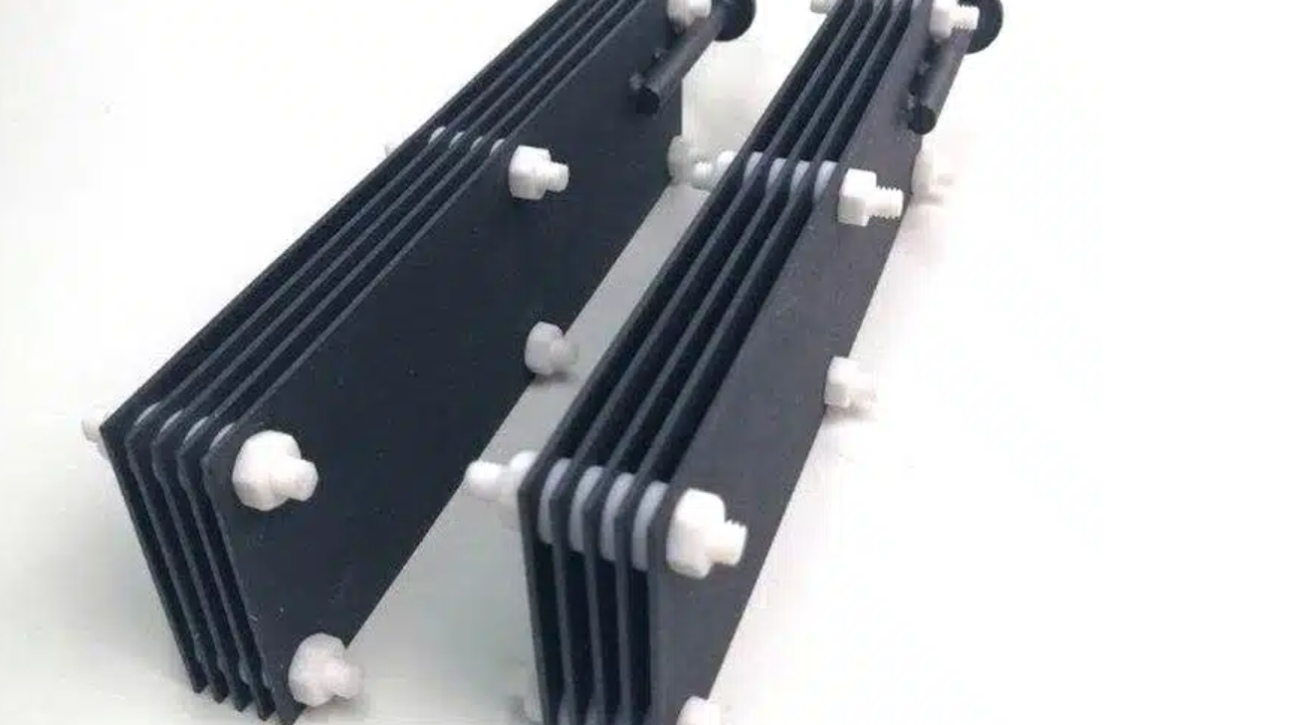
Key Points: A porous titanium electrode is a specialized titanium-based material engineered with interconnected pores to enhance electrochemical performance, offering high surface area and permeability while maintaining titanium's corrosion resistance. Its structure typically features 25–50% porosity with pore sizes of 0.2–100 μm, formed via powder metallurgy or 3D printing, often coated with catalytic layers like…
In modern electrochemical technology, particularly in fields like hydrogen production, fuel cells, and advanced environmental treatment, the efficiency and performance of electrodes are paramount. Traditional solid electrodes often limit reaction rates due to mass transport limitations or insufficient active surface area. Porous Titanium Electrodes overcome these challenges by introducing a unique porous structure into the…
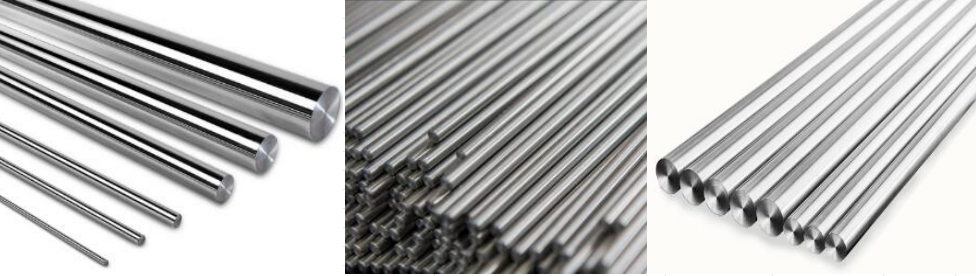
In the realm of materials science and electrochemical engineering, Titanium Electrode Wire represents a versatile and critical component. This term refers to titanium wire specifically designed for or used in electrochemical electrode systems, as well as other applications leveraging titanium's unique properties in a wire form factor. Combining the inherent advantages of titanium with specific…
In the dynamic world of electrochemical industries, including the burgeoning field of clean hydrogen production via water electrolysis, the performance and reliability of electrodes are paramount. Stepping beyond the limitations of traditional materials like graphite and lead, Titanium Anodes and Titanium Electrodes have become the standard for high-performance applications. While the terms "anode" and "electrode"…
As the global focus shifts towards clean energy, the production of hydrogen through water electrolysis is gaining increasing prominence. Water electrolysis, the process of splitting water molecules (H2O) into hydrogen gas (H2) and oxygen gas (O2) using electricity, relies heavily on the performance and durability of the electrodes used. At the heart of efficient and…
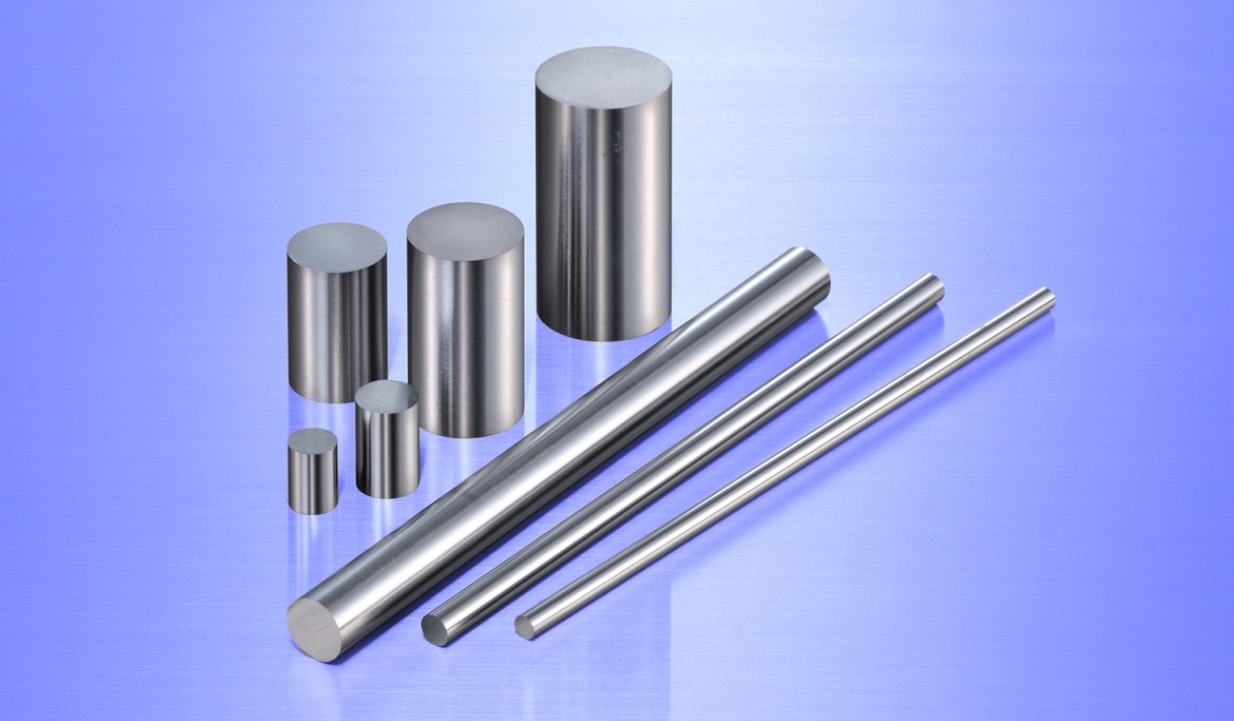
In the realm of industrial electrochemical processes, the choice of electrode material is paramount to achieving efficiency, durability, and cost-effectiveness. Traditional electrode materials like graphite, lead, and stainless steel often fall short in corrosive environments or demanding applications due to issues like degradation, shape change, or limited catalytic activity. This is where Titanium Electrode Material…
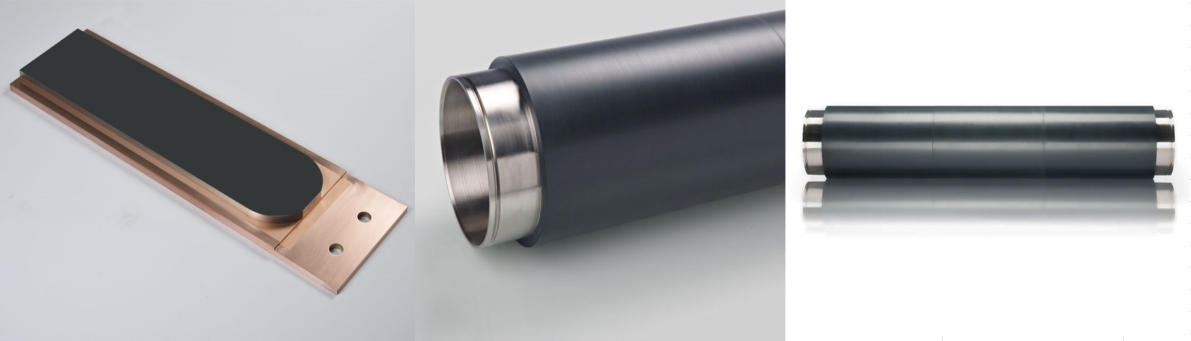
In the search for next-generation electrode materials that can withstand harsh conditions while driving electrochemical reactions efficiently, Titanium Suboxides have emerged as highly promising candidates. Among these, the Titanium Suboxide Electrode, particularly those based on the Magnéli phase Ti₄O₇ (Titanium(II,IV) Oxide), stands out. These advanced electrodes are not simply coated titanium; they are often monolithic…
In the demanding world of electrochemistry, where corrosive environments and precise reactions are common, the choice of electrode material is paramount. Platinum Coated Titanium Electrodes, also known as Platinized Titanium Electrodes or Titanium-Based Platinum Electrodes , stand out as a premium solution. They combine the exceptional corrosion resistance and mechanical integrity of a titanium substrate…
In the demanding world of industrial electrochemistry, reliable and high-performance electrodes are crucial for driving chemical reactions efficiently and sustainably. Titanium-Based Coated Electrodes, also commonly referred to as Ti-based Coated Electrodes, Titanium-Based Metal Oxide Coated Electrodes, or Titanium Metal Oxide Coated Electrodes (depending on the specific coating), represent a cornerstone technology. These electrodes combine the…
Titanium electrodes are indispensable components in a vast array of industrial electrochemical processes, from producing essential chemicals to treating wastewater and preventing corrosion. Their superiority over traditional electrode materials lies in the combination of titanium's inherent durability and the enhanced functionality provided by specialized coatings. Understanding the Titanium Electrode Classification is crucial for selecting the…
In the demanding landscape of modern electrochemistry, the electrode is far more than just a conductor; it's a critical catalyst and a key determinant of process efficiency, longevity, and purity. Standing at the forefront of this technology are Coated Titanium Electrodes. These electrodes, often referred to as Coated Ti Electrodes or Titanium Electrodes with Coating,…
In demanding electrochemical processes across industries like chemical manufacturing, environmental treatment, and metallurgy, the performance and durability of the electrode are paramount. Traditional electrode materials like graphite and lead suffer from wear, corrosion, and dimensional instability. The advent of Coated Titanium Electrodes revolutionized these fields, offering a robust, efficient, and long-lasting alternative. These electrodes, also…