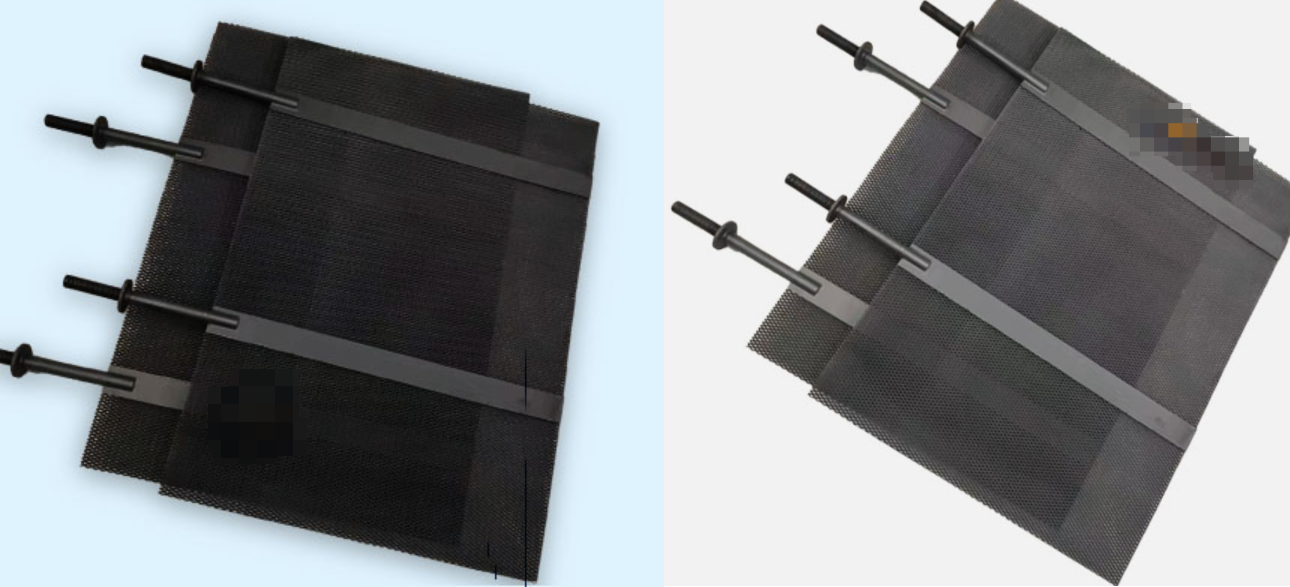
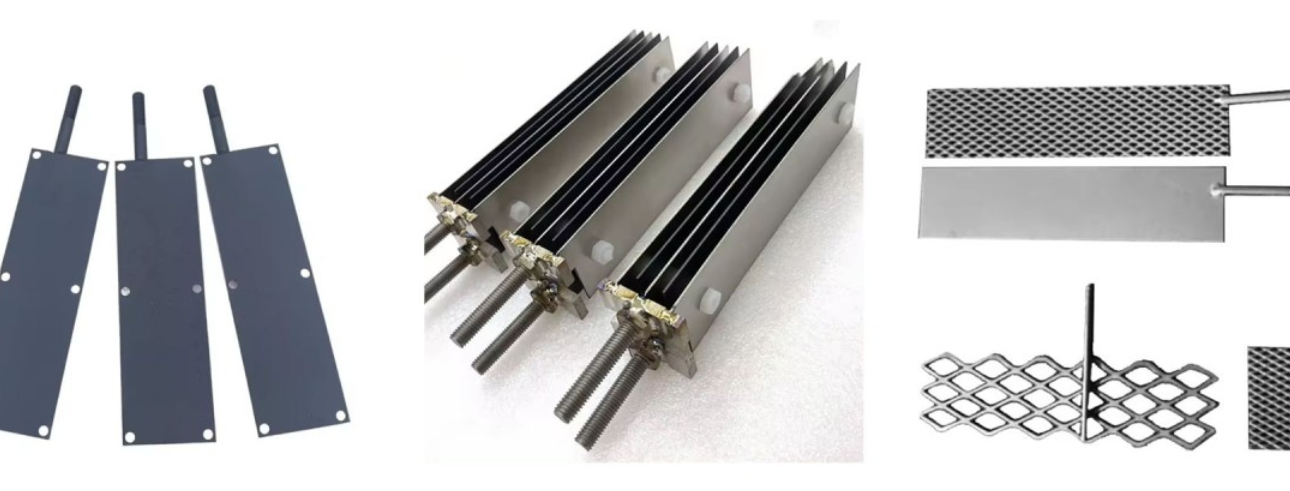
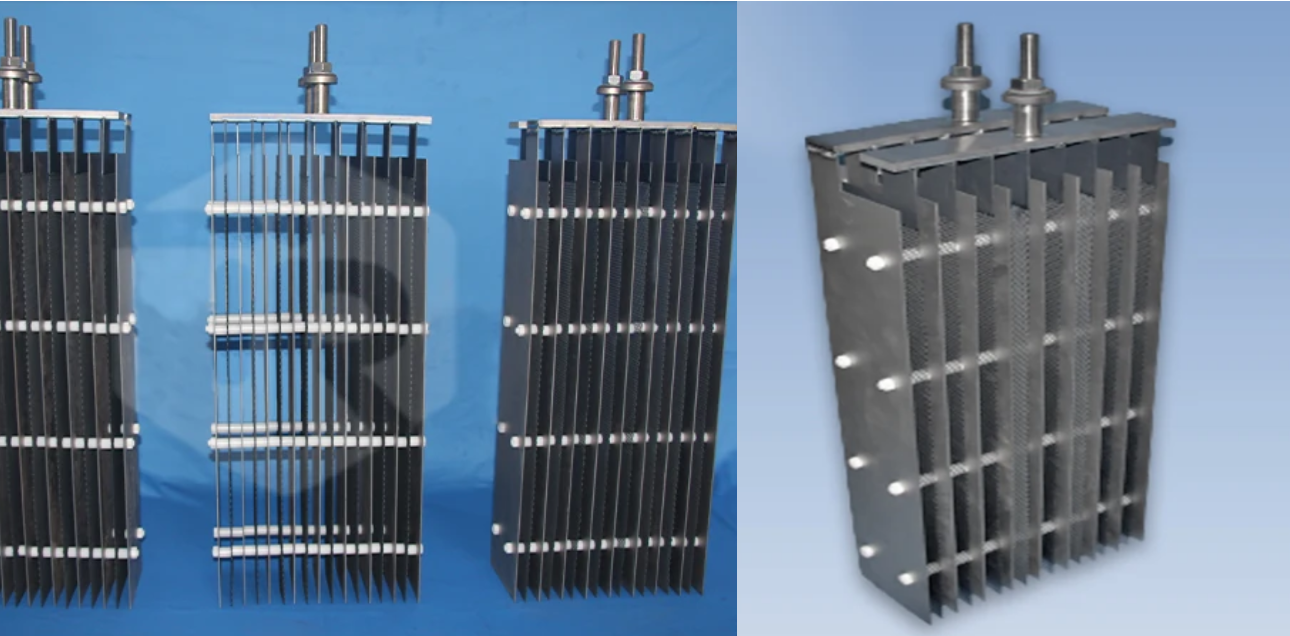
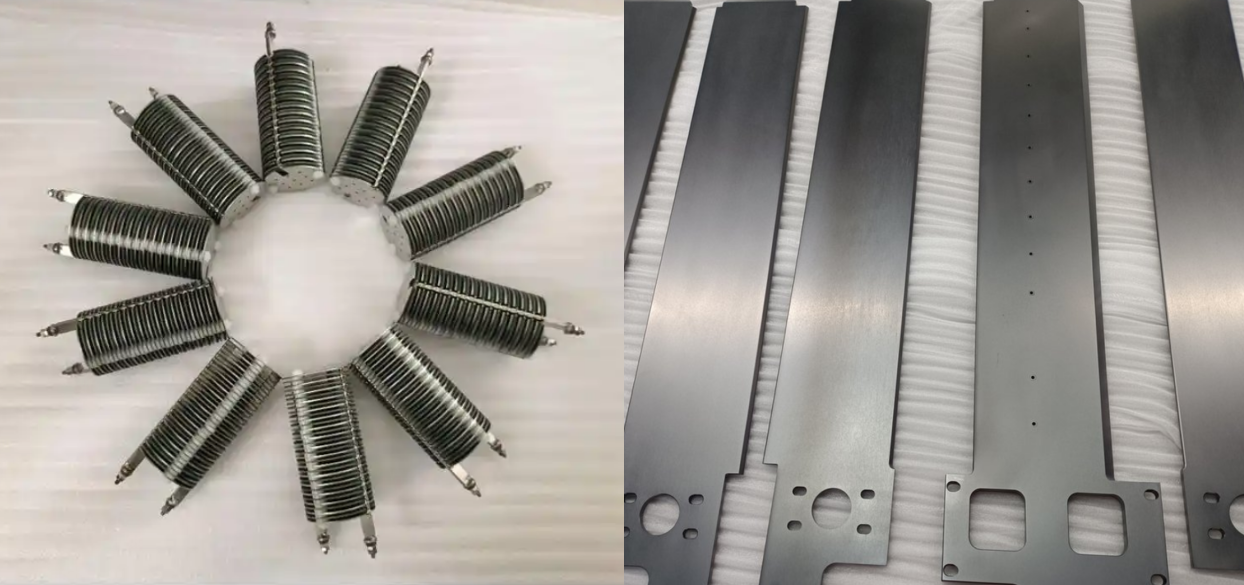
In the demanding landscape of modern electrochemistry, the electrode is far more than just a conductor; it's a critical catalyst and a key determinant of process efficiency, longevity, and purity. Standing at the forefront of this technology are Coated Titanium Electrodes. These electrodes, often referred to as Coated Ti Electrodes or Titanium Electrodes with Coating,…
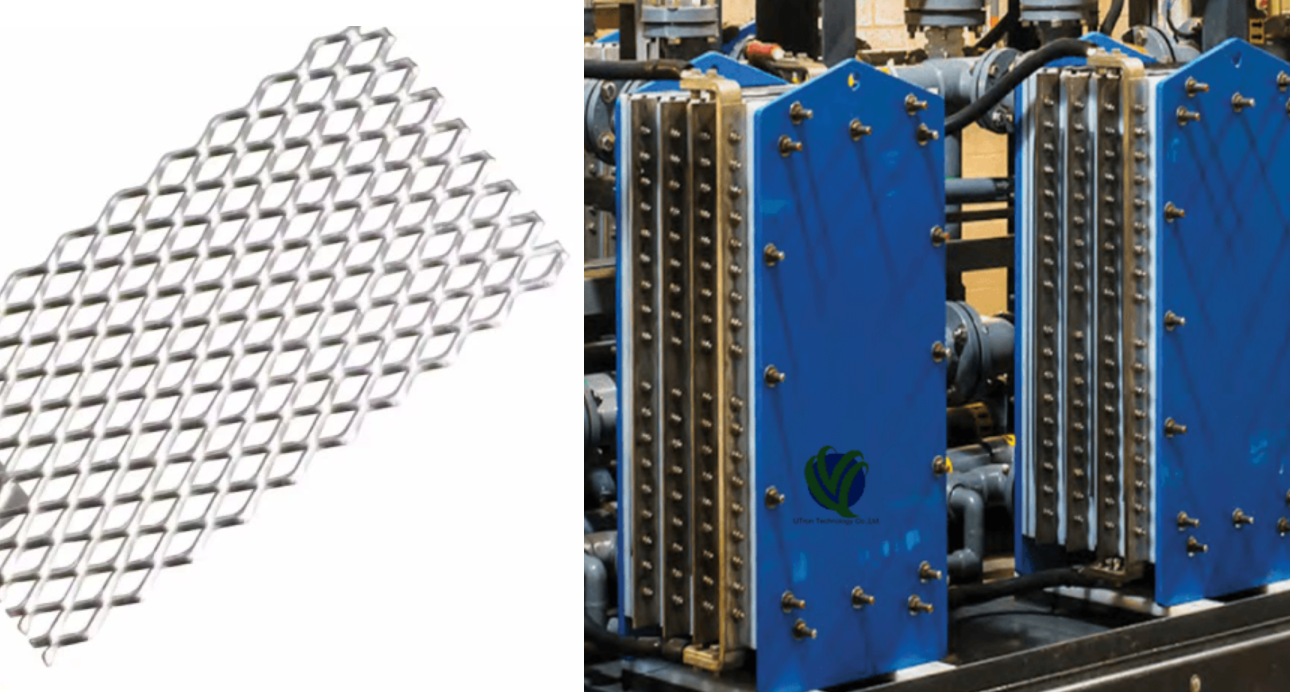
In demanding electrochemical processes across industries like chemical manufacturing, environmental treatment, and metallurgy, the performance and durability of the electrode are paramount. Traditional electrode materials like graphite and lead suffer from wear, corrosion, and dimensional instability. The advent of Coated Titanium Electrodes revolutionized these fields, offering a robust, efficient, and long-lasting alternative. These electrodes, also…
Titanium Dioxide (TiO2) is a material that has captured significant attention across various scientific and industrial fields. Renowned for its exceptional properties, including chemical stability, semiconductor behavior, and powerful photocatalytic activity, TiO2 serves as a foundational material for a specific class of electrodes: the Titanium Dioxide Electrode, commonly abbreviated as the TiO₂ Electrode. These electrodes,…
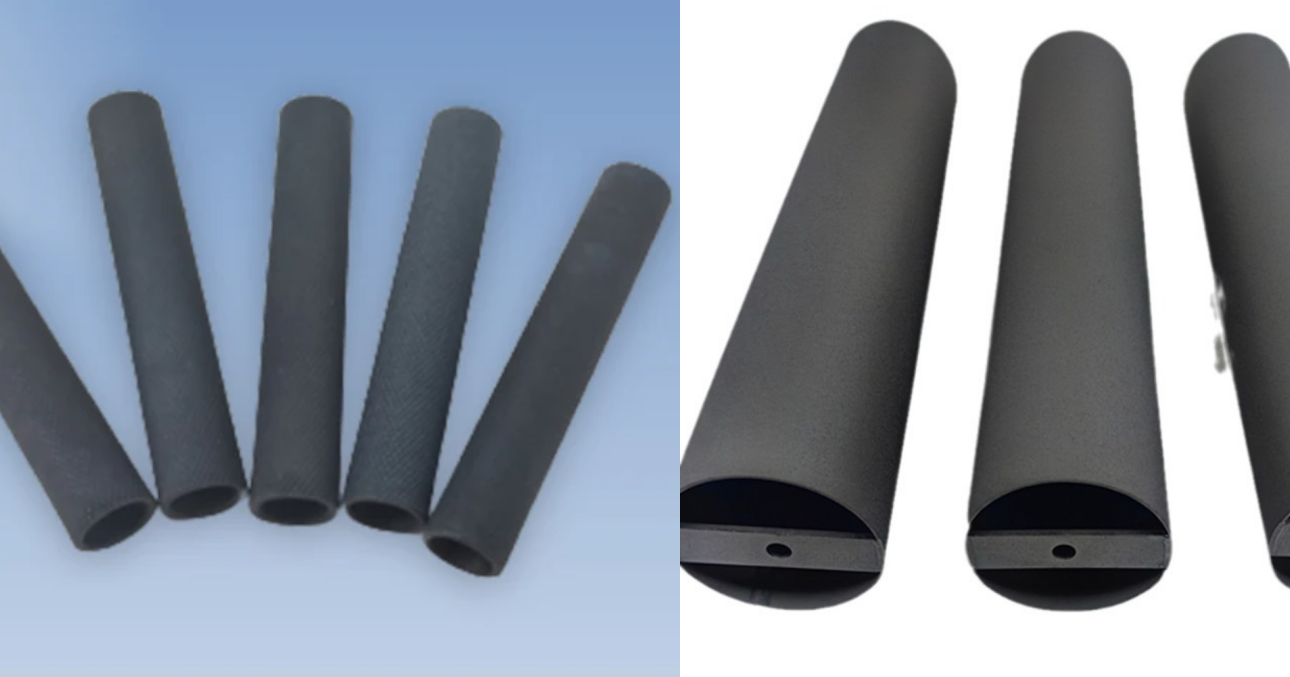
In numerous industrial electrochemical processes, selecting an electrode with the right combination of conductivity, corrosion resistance, catalytic activity, and mechanical form factor is paramount. Titanium Tube Electrodes stand out as a highly versatile and robust solution, effectively combining the inherent advantages of titanium with advanced surface coatings tailored for specific electrolytic reactions. These electrodes are…
Iridium-Tantalum Coated Titanium Electrodes, often referred to as Ir-Ta Ti Electrodes or Iridium-Tantalum MMO (Mixed Metal Oxide) anodes, represent a pinnacle in electrochemical electrode technology. These high-performance anodes are essential in a wide range of industrial processes, including electrolysis, electroplating, and water treatment, particularly where the Oxygen Evolution Reaction (OER) is dominant or significant. Their…
In the world of industrial electrochemical processes, the anode is a critical component, directly impacting efficiency, energy consumption, and operational lifespan. Among the most advanced and widely used anodes are Ruthenium-Iridium Titanium Electrodes, often recognized by their coating type as Mixed Metal Oxide (MMO) electrodes or as a form of Dimensionally Stable Anodes (DSAs). These…
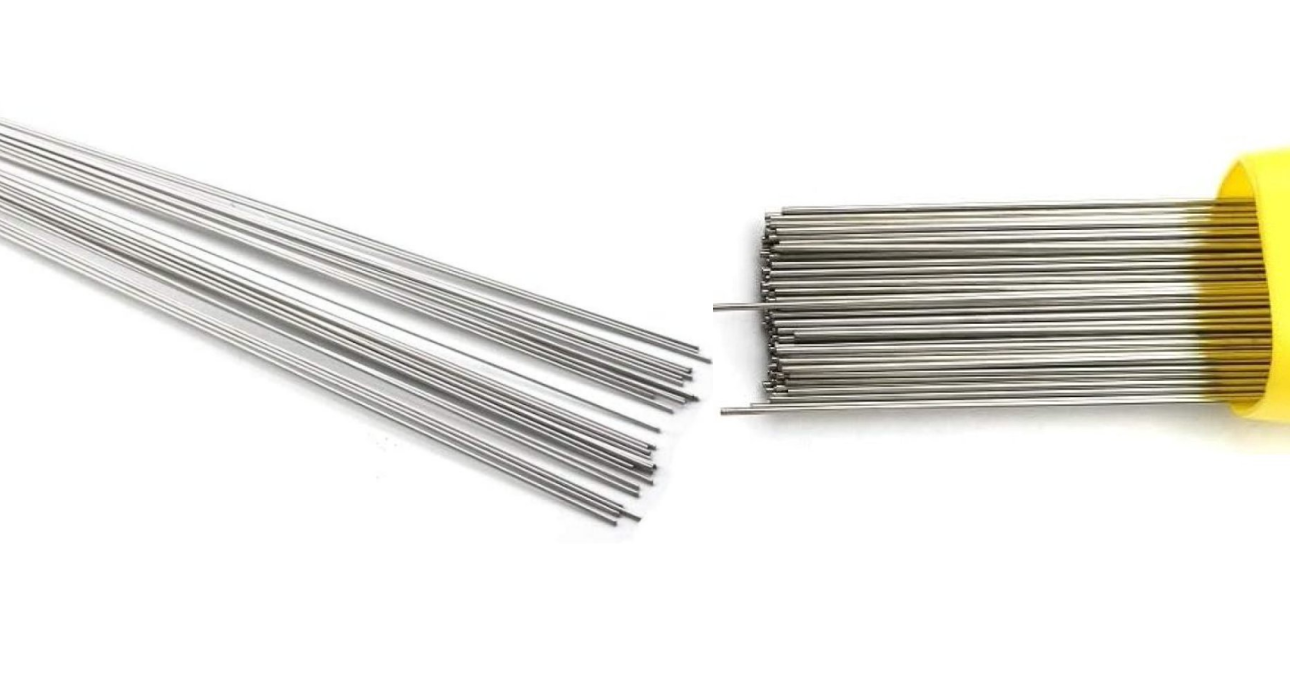
Titanium is a marvel of modern metallurgy, prized across industries like aerospace, medical, chemical processing, and motorsports for its exceptional strength-to-weight ratio, corrosion resistance, and biocompatibility. However, welding titanium presents unique challenges. At elevated temperatures, titanium readily reacts with atmospheric gases like oxygen and nitrogen, leading to embrittlement and contamination – often visible as unsightly…
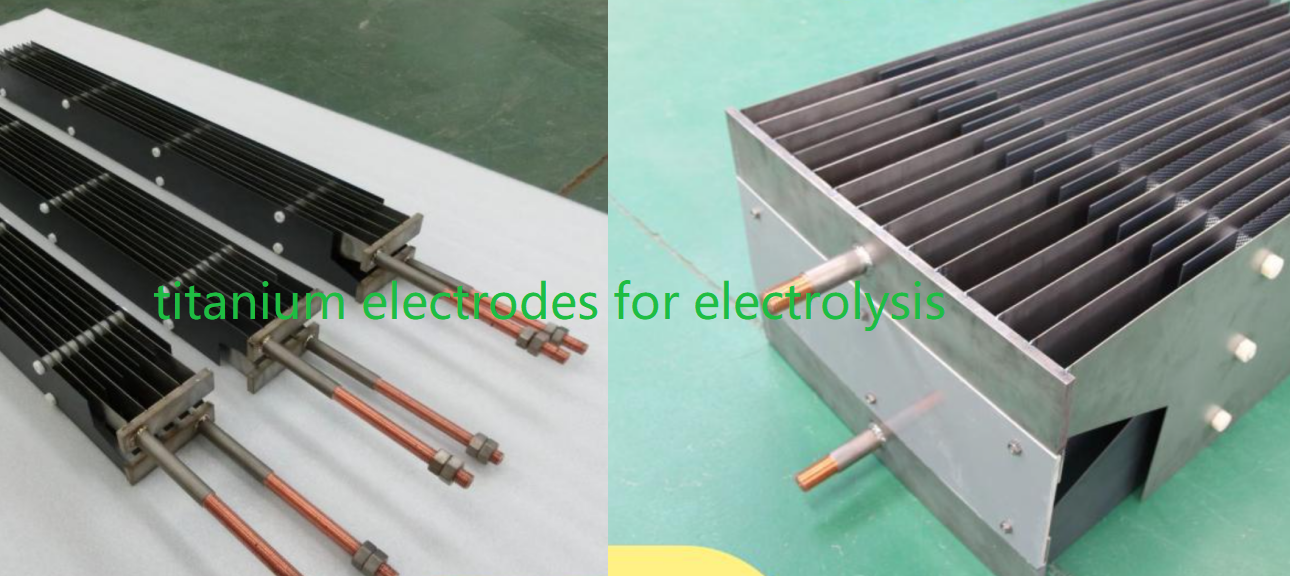
Electrolysis, the process of using electricity to drive non-spontaneous chemical reactions, is fundamental to numerous industrial processes, from chemical production to water treatment and clean energy generation. Central to the efficiency and success of these processes are the electrodes used. Among the most versatile and reliable materials available, titanium electrodes for electrolysis stand out due…
Titanium Platinum Electrodes: The Expert Guide Applications, and Custom Solutions
in the realm of electrochemistry, the performance and longevity of electrodes are paramount. Among the most reliable and versatile options available today is the titanium platinum electrode. This advanced component represents a powerful synergy, combining the inherent strengths of titanium with the exceptional electrochemical properties…
In any electrochemical experiment, the counter electrode (or auxiliary electrode) plays a crucial role in completing the electrical circuit, allowing current to flow without impacting the potential measurement at the reference electrode. While platinum has traditionally been the gold standard, titanium counter electrodes have emerged as a highly effective and popular alternative, offering an excellent…
The term "titanium oxide electrode" often surfaces when discussing electrochemical applications, leveraging titanium's excellent corrosion resistance and mechanical strength. However, a crucial point is often missed: the naturally occurring titanium dioxide (TiO₂) layer that forms on pure titanium is actually an electrical insulator, making it unsuitable on its own for most electrode functions requiring conductivity.…
Recent studies highlight the excellent electrochemical properties of Titanium Nitride (TiN) electrodes and their broad application potential in multiple high-tech fields, while emphasizing the critical role of Titanium's (Ti) standard electrode potential in understanding its fundamental behavior. Leveraging their high charge transfer efficiency, excellent durability, and tunable electrical properties, TiN electrodes are becoming ideal choices…