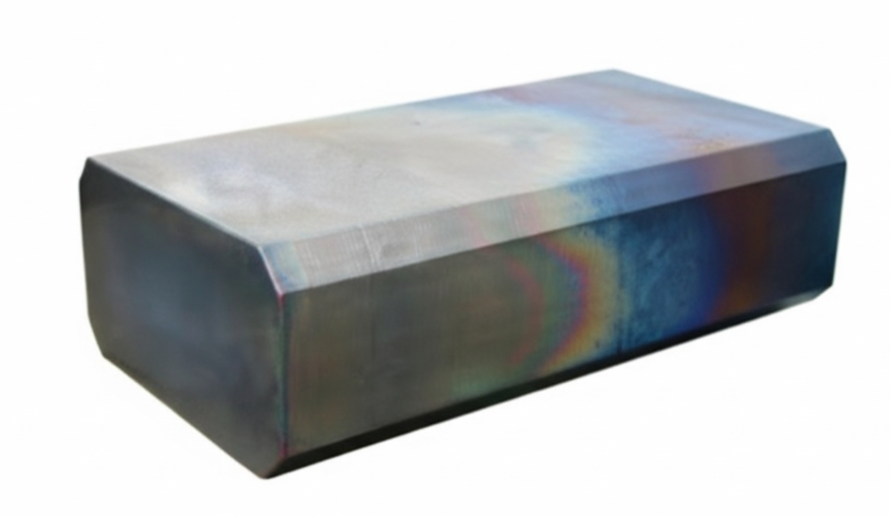
In the sophisticated landscape of modern metallurgy, “Plated titanium” is a term that encompasses two distinct yet equally vital processes: the application of a titanium-based coating onto other metals, and the electroplating of precious metals onto a solid titanium substrate. Whether you are looking for the extreme hardness of Titanium Nitride (TiN) or the enhanced conductivity of gold-plated titanium, selecting a specialized “Plated titanium” supplier is essential for ensuring product longevity and performance.
At Ti Time Company, we combine decades of metallurgical expertise with advanced customized manufacturing to deliver high-performance plated solutions. From aerospace components to industrial anodes, our products are engineered to meet the most stringent international standards, including ASTM and AMS.
I. The Dual Nature of “Plated Titanium”
Understanding the difference between these two processes is critical for project success:
Titanium-Based Coatings (PVD/Ion Plating): This involves depositing a ultra-thin layer of titanium (often as Titanium Nitride or Titanium Carbide) onto a base metal like steel or brass. This is widely used in the tool industry and high-end consumer goods to provide a gold-like appearance with incredible surface hardness.
Plating on Titanium Substrates: Here, a solid titanium part is plated with metals such as nickel, gold, copper, or chrome. This is common in the aerospace and electronics sectors where the lightweight strength of titanium is needed, but specific surface properties like solderability or electrical conductivity are required.
II. Why Choose “Plated Titanium” for Industrial Use?
As a global leader in titanium solutions, Ti Time Company produces “Plated titanium” components that offer unique mechanical advantages:
Enhanced Surface Hardness: PVD titanium coatings can significantly increase the wear resistance of cutting tools and decorative hardware.
Superior Conductivity: By plating gold or silver onto titanium, engineers can utilize titanium’s high strength-to-weight ratio in electrical connectors that require low contact resistance.
Corrosion Resistance in Specific Environments: While titanium is naturally corrosion-resistant, plating it with specific metals can provide additional protection in highly specialized chemical baths or marine environments.
Customized Aesthetics: For consumer electronics and luxury hardware, titanium plating offers a range of durable colors, including black, rainbow, and deep gold, without the weight of solid precious metals.
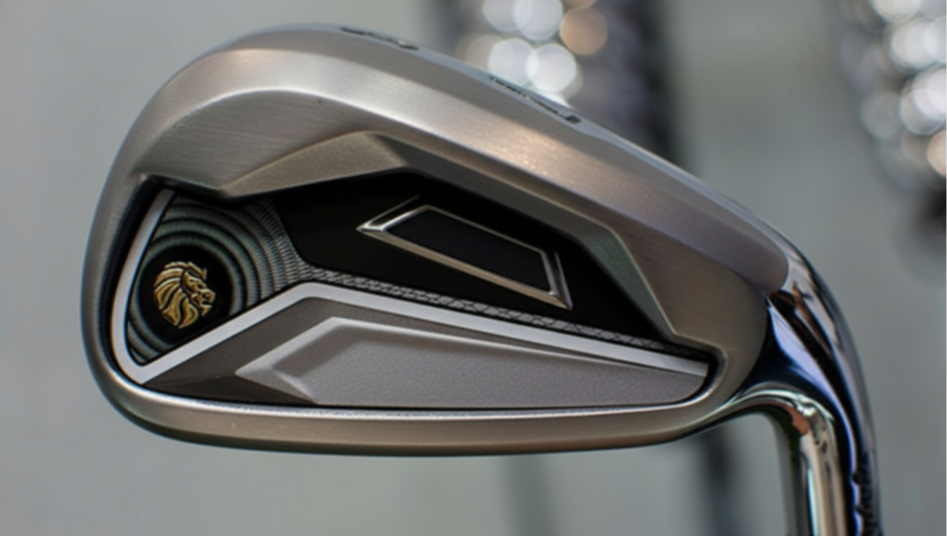
III. Overcoming the Challenges of Plating Titanium
Plating onto titanium is notoriously difficult because titanium forms an instantaneous oxide layer that prevents adhesion. Ti Time Company utilizes a specialized multi-stage pretreatment process to ensure a perfect bond:
Precision Etching: Removing the natural oxide layer in a controlled environment.
Activation/Strike Layer: Applying a thin nickel or copper “strike” to provide a receptive surface for the final plating.
Final Deposition: High-purity plating under ISO9001 quality controls.
IV. FAQ: Expert Insights on “Plated Titanium”
Q1: Is “titanium-plated” jewelry the same as solid titanium? A: No. “Titanium-plated” jewelry is typically a base metal like brass or steel with a thin TiN coating. While it is very hard and scratch-resistant, it does not share the hypoallergenic properties of solid medical-grade titanium (ASTM F-136).
Q2: How thick is the plating on an industrial titanium part? A: For PVD coatings, the thickness is usually 0.5 to 5 microns. For electroplating on titanium (like nickel or gold), the thickness can be customized from 1 micron up to 20+ microns depending on the application.
Q3: Can Ti Time Company provide custom-colored “Plated titanium”? A: Yes. Through our customized production lines, we can achieve specific colors like black, blue, and gold using PVD technology, ensuring consistency across large batches.
Q4: Will the plating on titanium flake off over time? A: Not if processed correctly. Adhesion issues only occur if the oxide layer isn’t properly removed. At Ti Time Company, our plating processes are tested for bond strength to meet aerospace standards, preventing delamination.
Q5: What information do I need to provide for a “Plated titanium” quote? A: We recommend providing the base material grade, the desired plating metal, the required thickness (in microns), and the intended use (e.g., electrical conductivity vs. wear resistance).
V. Ti Time Company: Your Trusted Partner for High-Quality Titanium and Advanced Materials
Ti Time Company is a leading manufacturer and supplier specializing in titanium, tungsten, molybdenum, tantalum, niobium, zirconium, anodes, and composite materials. With decades of experience, we are known for delivering high-quality products and exceptional customer service.
Our offerings include plates, rods, tubes, foils, wires, screws, capillary tubes, targets, custom parts, forgings, and alloys. Operating under the ISO9001 quality system, our products meet ASTM, ASME, AMS, JIS, DIN, and MIL standards, and are exported to countries such as the US, Japan, Germany, and South Korea.