


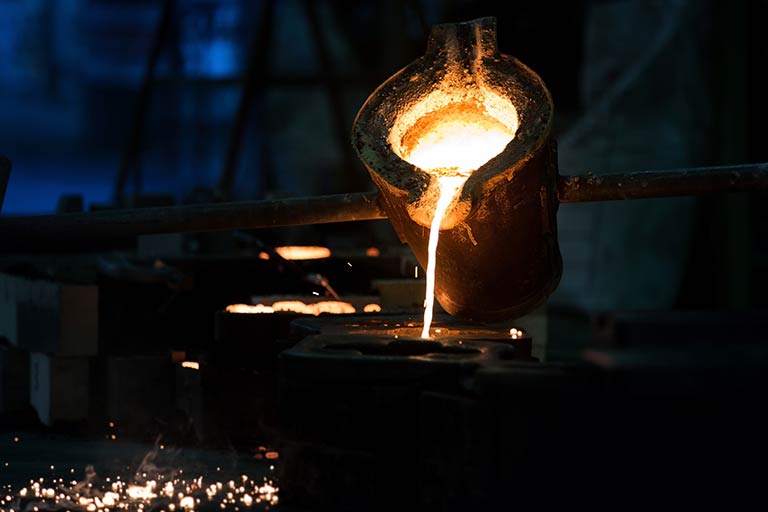
Titanium smelting is a complex process that involves various technologies and methods. The main processes and current developments in titanium smelting are outlined below. With increasing demands for environmental sustainability and cost efficiency, traditional titanium smelting methods are facing significant challenges. The development of new smelting techniques offers opportunities to reduce energy consumption and minimize pollution. These emerging technologies not only enhance the production efficiency of titanium but also hold the potential to expand its applications across a broader range of industries.
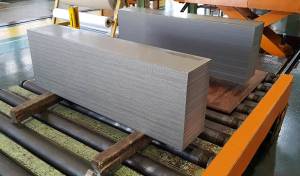
Titanium Processing Workflow
1. Material Preparation
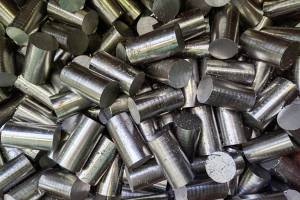
Raw Material Selection: Ensure the titanium alloy meets quality standards, commonly using alloys like Ti-6Al-4V.
Cutting to Size: Accurately cut the material to required dimensions for subsequent processing.
2. Cutting
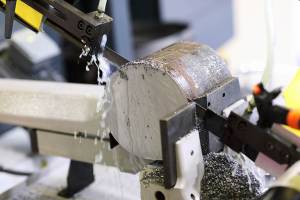
Cutting Methods: Utilize laser cutting, waterjet cutting, or mechanical cutting. Maintain precise cutting speeds and feeds to ensure dimensional accuracy and surface quality.
3. Forming
Cold Forming: Suitable for thin-walled or precision parts.
Hot Forming: Performed at high temperatures for large-scale production.
Forging: Includes open-die forging, closed-die forging, or free forging to achieve the desired shapes.
4. Surface Treatment
Oxide Removal: Remove surface oxides and impurities using acid pickling or sandblasting.
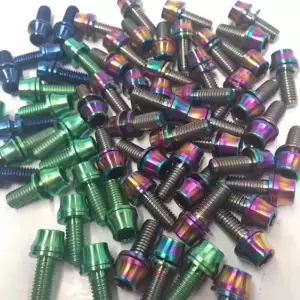
Surface Coating: Apply anodizing or spraying techniques to enhance corrosion resistance and aesthetic appeal.
5. Heat Treatment
Purpose:Control material properties by heating and cooling processes to improve strength and hardness. Strictly monitor temperature and duration to avoid deformation or cracking.
Processing Quality Control
– Continuously monitor parameters such as cutting, forming, and heat treatment to ensure conformity with design requirements.
– Perform quality inspections, including dimensional measurements, mechanical property testing, and microstructural analysis, to identify and address any issues promptly.
Summary
Titanium processing involves a series of precise steps, each critical to the quality of the final product. Proper process design, parameter control, and method selection are essential for producing high-performance titanium components widely used in aerospace, medical, and other demanding industries.