Navigating the Market for Titanium Metals: Quality, Customization, and the 2026 Price of Titanium per lb
When sourcing high-performance materials for aerospace, medical, or industrial applications, understanding the landscape of titanium metals is essential for both engineering success and budget management. As of early 2026, the price of titanium per lb for primary metal has stabilized in the $3.15 to $3.50 range, though finished alloys and custom-fabricated components carry a premium based on complexity. At Ti Time Company, we combine decades of metallurgical expertise with advanced manufacturing to ensure you receive the highest value for your investment.
Why Titanium Metals are the Gold Standard for Modern Industry
Titanium is celebrated for its incredible strength-to-weight ratio and its “heroic” resistance to corrosion. Whether you are designing deep-sea sensors or life-saving medical implants, the choice of grade is critical.
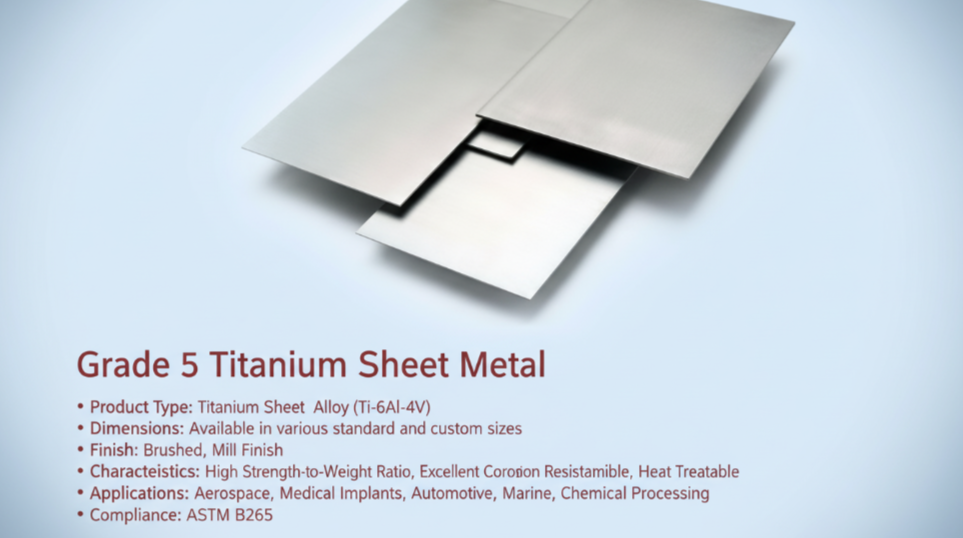
Unmatched Strength: Titanium alloys like Ti-6Al-4V (Grade 5) provide tensile strengths comparable to alloy steels but at 56% of the weight.
Corrosion Resistance: A naturally occurring oxide film protects the metal from chlorides, seawater, and aggressive acids.
Biocompatibility: This is the only metal that integrates seamlessly with human bone, making it the top choice for the medical sector.
Understanding the Current Price of Titanium per lb in 2026
Market dynamics in 2026 show that while raw material costs remain relatively steady, the “real-world” price of titanium per lb for consumers depends largely on the form—be it plate, rod, tube, or custom forging.
While spot prices for primary ingots hover around $3.20 per lb, specialized grades like Grade 7 (Palladium-enhanced) or high-precision Grade 5 aerospace-grade alloys will reflect higher manufacturing and processing costs. At Ti Time Company, we help clients optimize their spend by selecting the exact grade needed for their specific environment, preventing “over-engineering” costs.
Custom Manufacturing: The Ti Time Advantage
We don’t just supply metal; we provide solutions. Ti Time Company operates under a strict ISO9001 quality system, ensuring every screw, capillary tube, and custom forging meets international standards (ASTM, ASME, AMS, JIS, DIN, and MIL).
Our Specialized Product Range:
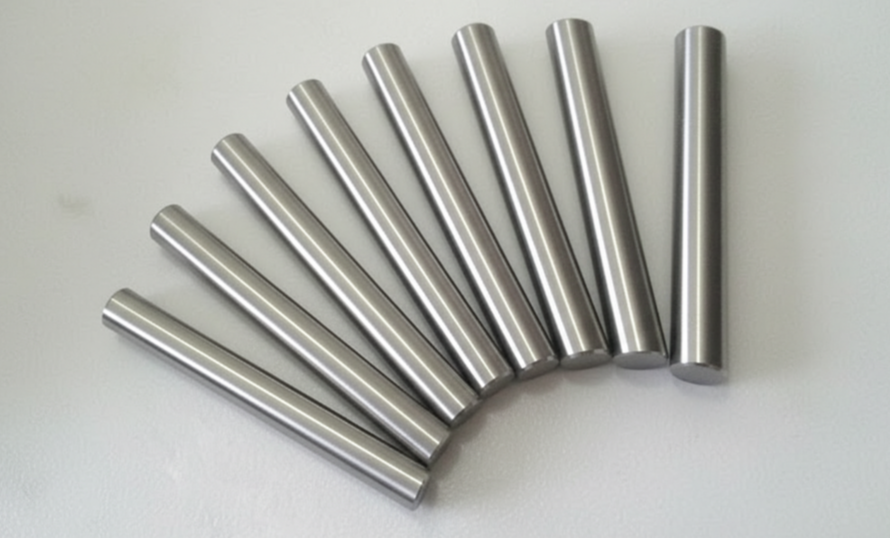
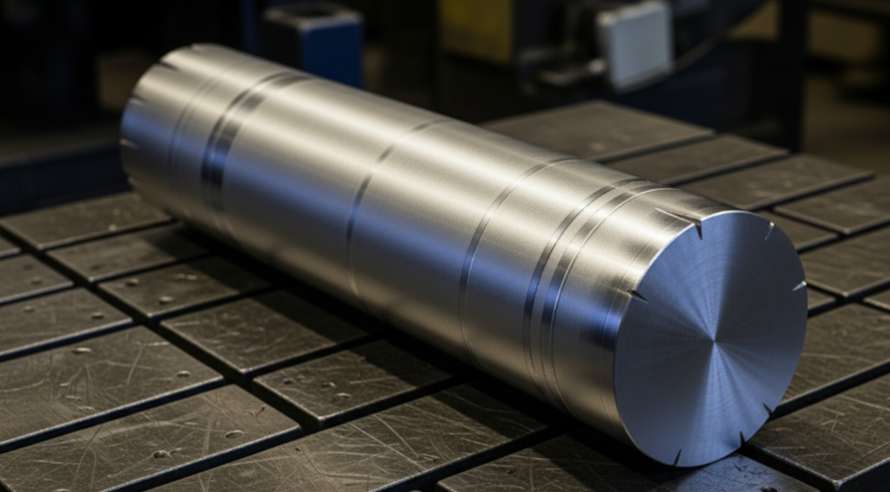
Forms: Plates, rods, tubes, foils, wires, and targets.
Customization: CNC-machined parts, high-precision forgings, and composite materials.
Diverse Portfolio: Beyond titanium, we are experts in Tungsten, Molybdenum, Tantalum, Niobium, and Zirconium.
FAQs: Expert Answers on Titanium Metals
1. What factors currently influence the price of titanium per lb?
The price is driven by the purity of the sponge titanium, the complexity of the alloying process (such as adding Vanadium or Aluminum for Grade 5), and energy costs associated with the Kroll process. Custom fabrication, such as precision-drawn capillary tubes, adds value through specialized labor and machining.
2. Is Ti-6Al-4V (Grade 5) worth the higher cost compared to Grade 2?
If your application requires high fatigue resistance and structural strength (like aerospace or high-end automotive), Grade 5 is essential. However, for general chemical processing or marine hardware where ductility and corrosion resistance are the priority, Grade 2 offers a more cost-effective price of titanium per lb.
3. How does Ti Time Company ensure the quality of its titanium metals?
Every shipment is backed by material test reports. We adhere to ISO9001 and meet global standards like ASTM and AMS. Our products undergo rigorous testing for chemical composition and mechanical properties before being exported to the US, Germany, or Japan.
4. Can I order custom-designed titanium parts?
Absolutely. We specialize in customized production to meet specific client needs. Whether you need a unique medical screw or a specialized sputtering target, our engineering team can manufacture components to your exact blueprints.
5. Why is titanium scrap often priced differently than primary metal?
Titanium scrap is highly valued because it reduces the energy-intensive process of creating new sponge. Depending on the purity and grade (like clean Ti-6Al-4V turnings), scrap can sometimes command a high cash value relative to the current primary price of titanium per lb.