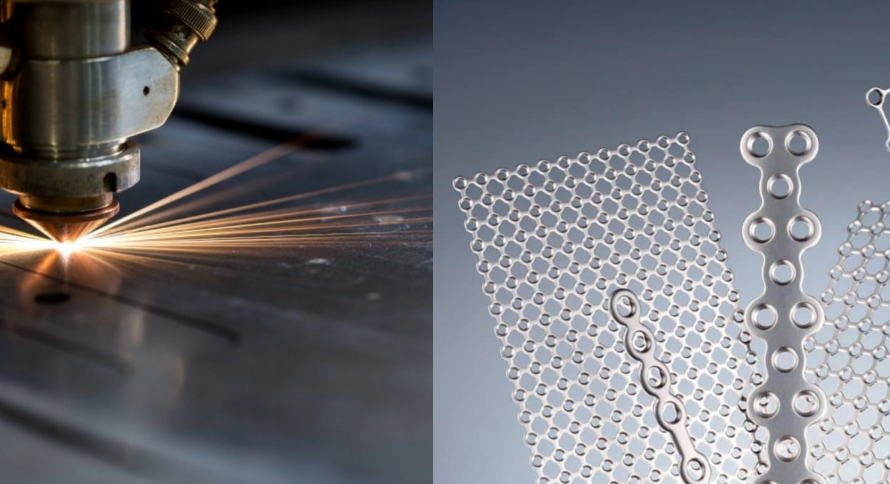
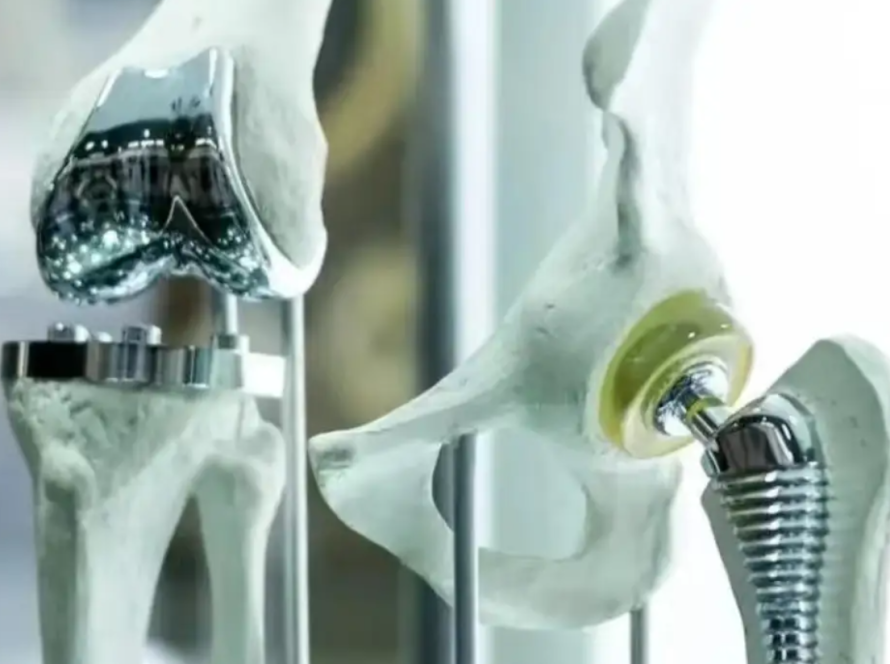
In the demanding worlds of aerospace, marine engineering, and motorsports, standard steel hardware often falls short. This is where titanium alloy fasteners become indispensable. Offering a superior strength-to-weight ratio and exceptional corrosion resistance, these components are the backbone of modern high-performance machinery.
As a premier titanium alloy fasteners supplier, Ti Time Company specializes in manufacturing precision hardware that meets rigorous industrial standards. whether you require standard Grade 5 bolts or custom-designed aerospace components, we deliver solutions that hold your projects together under pressure.
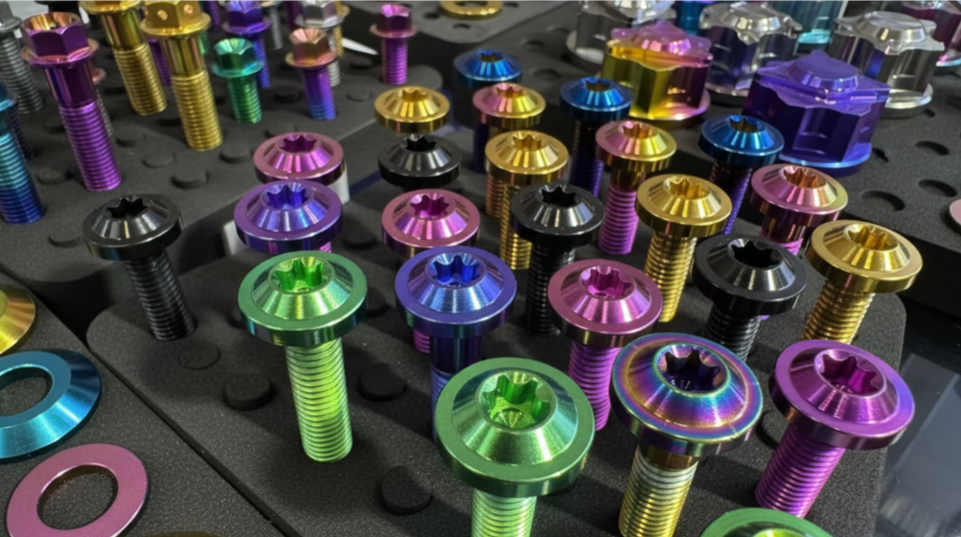
Why Choose Titanium Alloy Fasteners?
Engineers select titanium not just because it is light, but because it is resilient. Titanium alloy fasteners provide specific mechanical advantages that justify their use in critical applications:
High Strength-to-Weight Ratio: The most common alloy, Grade 5 (Ti-6Al-4V), is roughly twice as strong as commercially pure titanium and comparable to many alloy steels, yet it weighs approximately 45% less. This is crucial for applications like aircraft airframes and racing suspension systems where every gram counts.
Corrosion Immunity: Titanium forms a natural, stable oxide film that resists saltwater and chlorides. This makes these fasteners ideal for marine environments where stainless steel might suffer from pitting or crevice corrosion.
Temperature Stability: Specialized alloys retain their mechanical properties at elevated temperatures (up to 400°C/750°F), far outperforming aluminum fasteners in engine compartments.
Material Selection: Choosing the Right Grade
Not all titanium is created equal. At Ti Time Company, we guide our clients to the specific grade that fits their load and environmental requirements.
Grade 5 (Ti-6Al-4V)
This is the “workhorse” of titanium alloy fasteners. It contains 6% Aluminum and 4% Vanadium.
Best For: Structural bolts, high-load flanges, and automotive racing parts.
Tensile Strength: Typically around 130 ksi (895 MPa).
Commercially Pure (Grade 2)
While technically not an “alloy” in the same sense, Grade 2 is often categorized here for comparison.
Best For: Chemical processing equipment and marine hardware where maximum corrosion resistance is prioritized over extreme tensile strength.
Ductility: Higher than Grade 5, making it easier to form but with lower tensile strength (approx. 50-65 ksi).
Specialty Beta Alloys
For extreme aerospace applications, we can source and manufacture fasteners using Beta or Near-Beta alloys. These can achieve tensile strengths of 160–180 ksi in larger diameters, directly competing with high-strength steel bolts.
Custom Manufacturing at Ti Time Company
We are more than a distributor; we are a dedicated manufacturer. Ti Time Company offers comprehensive customization for titanium alloy fasteners to ensure they fit your specific design constraints.
Standards: We produce to ASTM F468/F467 (non-ferrous bolts/nuts) and ASME B18 dimensional standards.
Size Range: From precision micro-screws (M3) to heavy-duty industrial bolts (M36 and larger).
Custom Shapes: Beyond standard hex bolts, we manufacture custom studs, socket caps, and flange bolts based on client blueprints.
FAQ: Expert Answers on Titanium Fasteners
1. What is the main difference between Grade 2 and Grade 5 fasteners? Grade 2 is commercially pure titanium, known for excellent corrosion resistance and ductility, but lower strength. Grade 5 (Ti-6Al-4V) is an alloy that is significantly stronger (about 2x the strength of Grade 2) and is the standard for structural and load-bearing applications in aerospace and automotive industries.
2. Are titanium alloy fasteners safe for use in all chemical environments? While they are excellent in seawater and oxidizing environments (like nitric acid), titanium alloy fasteners are not recommended for use in strongly reducing acids such as hydrofluoric, sulfuric, or hydrochloric acid. These acids can attack the protective oxide layer of the titanium.
3. Do you manufacture fasteners to specific standards? Yes. Ti Time Company manufactures fasteners in strict accordance with international standards, primarily ASTM F468 (for bolts/screws) and ASTM F467 (for nuts), as well as aerospace standards upon request.
4. Can titanium fasteners be used with carbon fiber? Absolutely. Titanium is galvanically compatible with carbon fiber composites. Unlike aluminum, which corrodes rapidly when in contact with carbon fiber, titanium remains stable, making it the preferred fastener material for modern composite aircraft structures.
5. What is the typical lead time for custom titanium fasteners? For standard sizes and grades, we maintain a robust stock. For custom dimensions or specific alloy requirements (like Beta alloys), production typically takes 2–4 weeks depending on the complexity of the machining and the quantity required.